Places to visit
Interesting places to visit in Sri Lanka.
Handpicked destinations across the island, shared in plain words. What to expect, why each stop deserves a place on your route, and the real on-the-ground details.
Anuradhapura · Sigiriya · Minneriya · Polonnaruwa · Kandy · Nuwara Eliya · Ella · Yala · Galle · Mirissa
Cultural Triangle
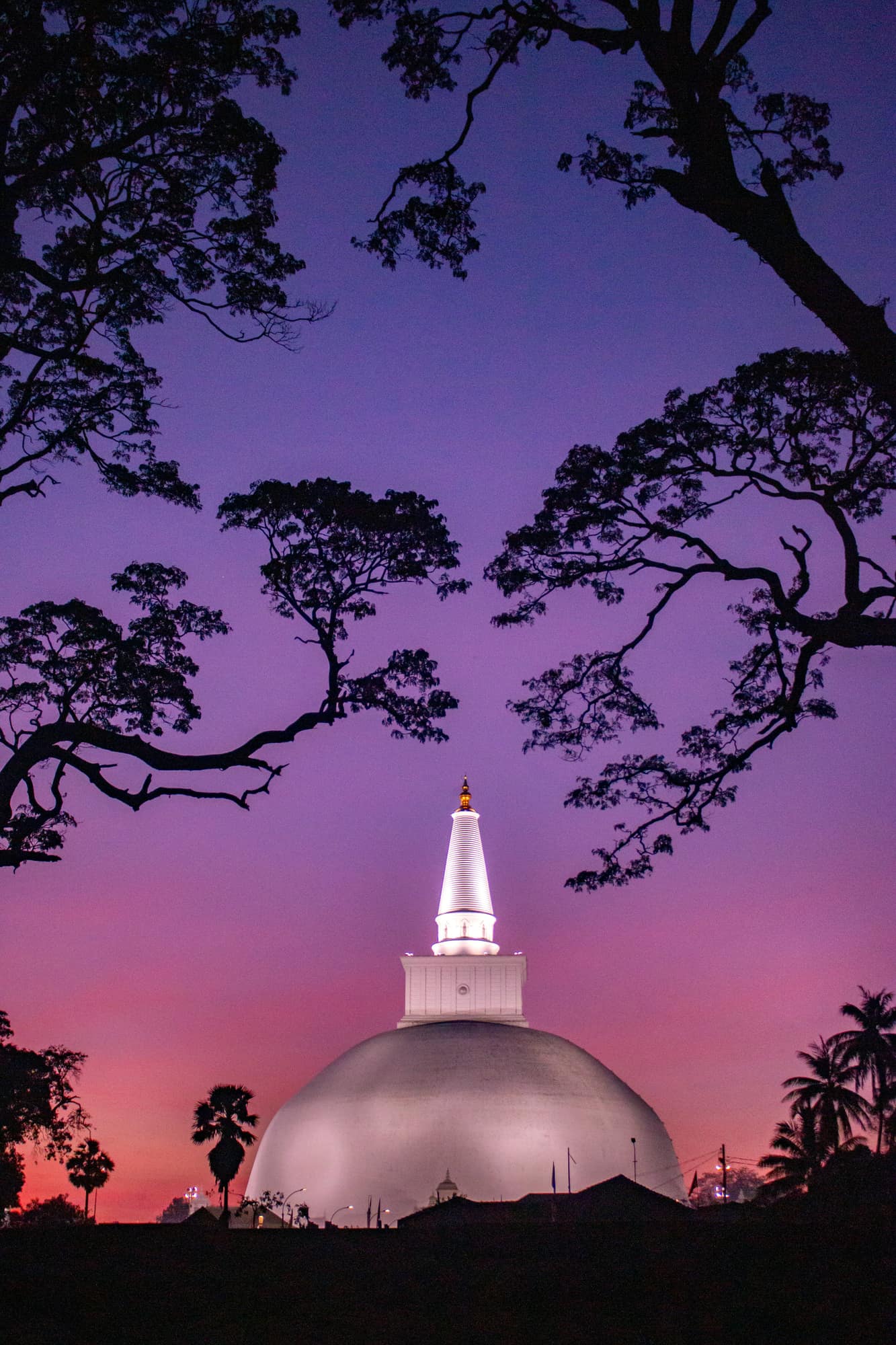
Anuradhapura අනුරාධපුරය
The ancient sacred capital that still breathes
For over a millennium, Anuradhapura was the spiritual and political heart of ancient Sri Lanka. Today, immense brick stupas rise like silent red-and-white mountains above the forest canopy, with structures so vast they once rivalled the pyramids of Giza. Yet this is far from a dead archaeological relic. It remains a living sanctuary where white-clad pilgrims gather under the oldest recorded human-planted tree in the world, carrying fragrant lotus flowers amid clouds of sweet incense.
Good to know
The site is large and there is little shade, so it is a morning place. Shoulders and knees stay covered, and shoes come off on temple ground.
Cultural Triangle
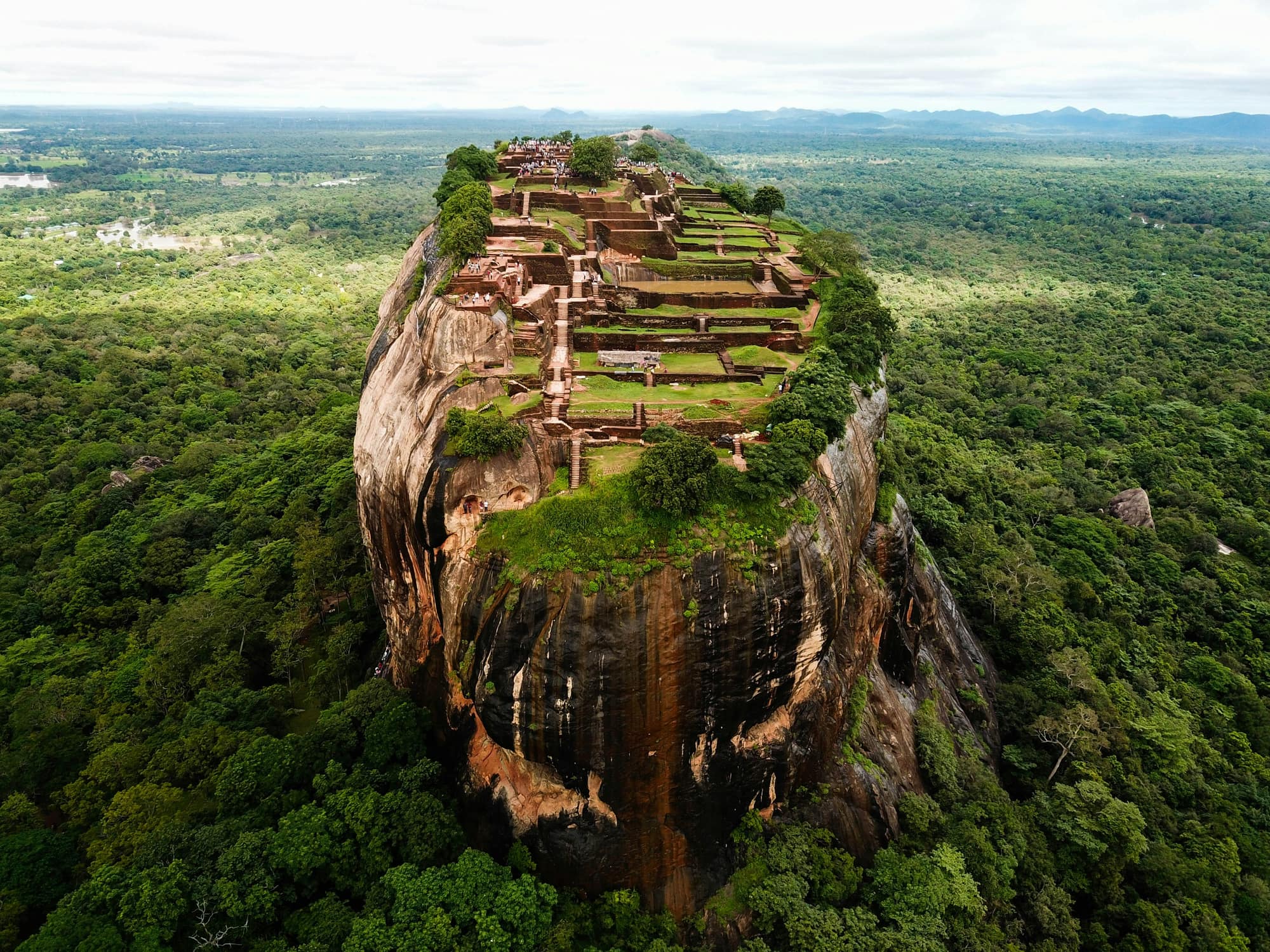
Sigiriya සීගිරිය
A royal fortress carved from a sheer pillar of stone
Sigiriya is a dramatic 200-metre column of sheer granite erupting from a sea of flat jungle. In the 5th century, King Kashyapa transformed this near-impossible rock into an opulent sky palace, complete with water gardens at its base, vibrant wall frescoes painted directly onto the stone face, and a gateway guarded by two massive paws carved from rock. Reaching the windswept summit rewards you with panoramic 360-degree views stretching across endless green plains.
Good to know
Around 1,200 steps, and they are steep and open to the sun. Go at opening time. If the stairs are not for you, the rock next door at Pidurangala is lower and looks straight at Sigiriya.
Cultural Triangle
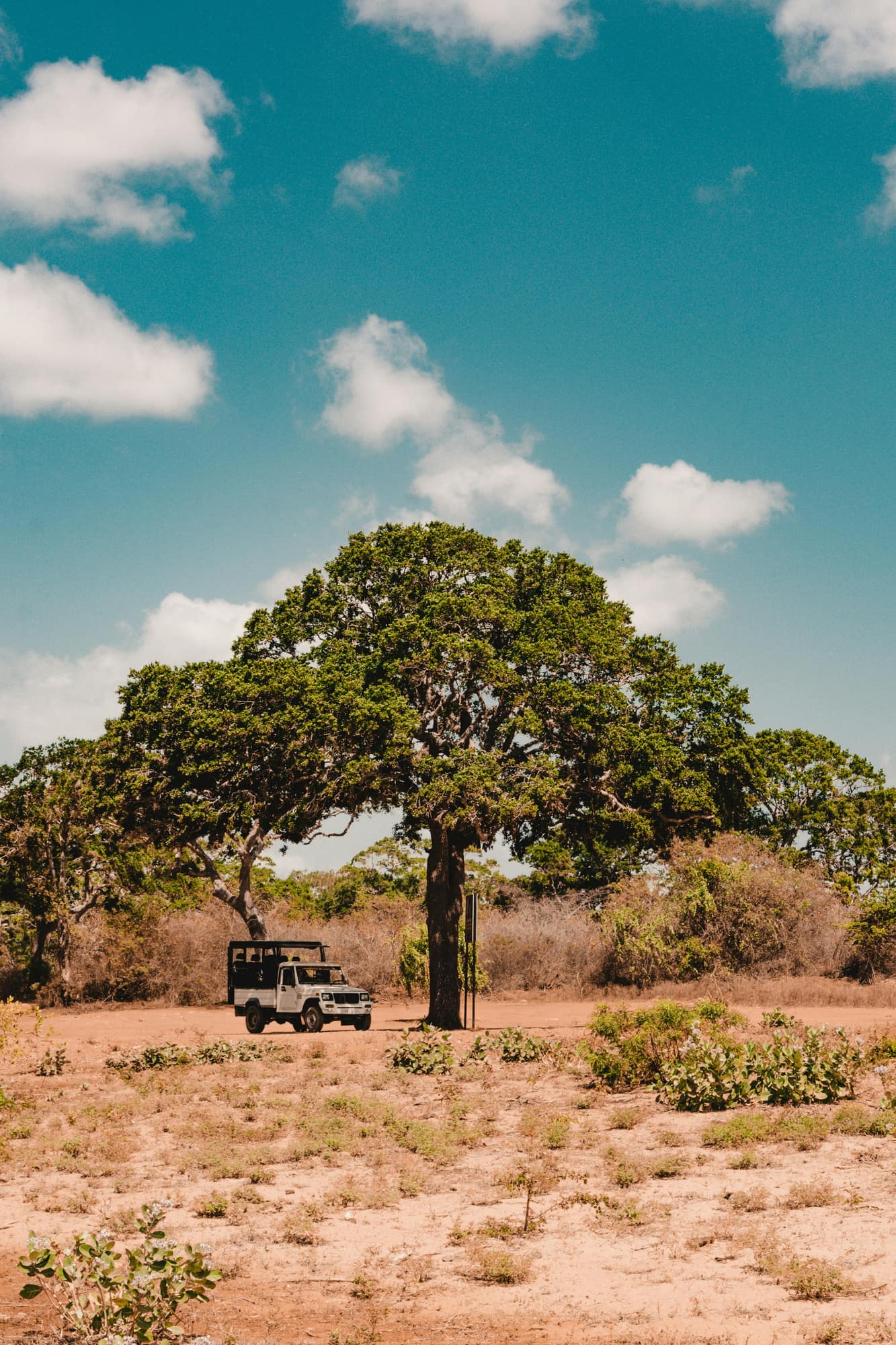
Minneriya මින්නේරිය
The ancient gathering ground of wild elephant herds
Centred around a vast reservoir built by King Mahasen in the 3rd century, Minneriya is home to one of Asia’s greatest wildlife spectacles. During the dry season, as water recedes, rich green grasses shoot up from the exposed lakebed, drawing hundreds of wild Asian elephants out of the surrounding forests to graze, socialize, and bathe together in open daylight.
Good to know
Best from June to September, late in the afternoon. I will not promise you elephants — the park does not promise them to me either.
Cultural Triangle
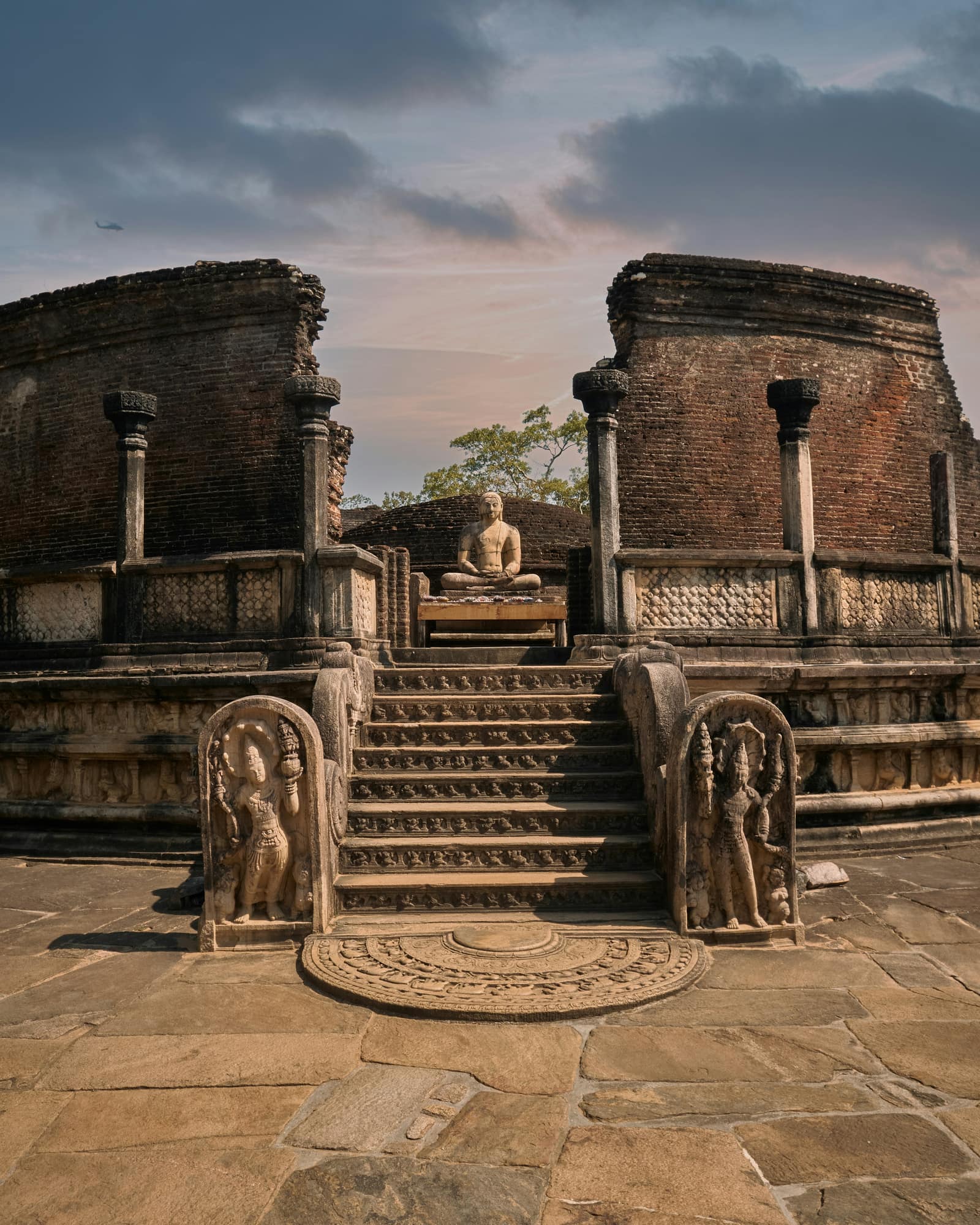
Polonnaruwa පොළොන්නරුව
A compact medieval kingdom preserved in stone
Rising to prominence after Anuradhapura, Polonnaruwa was the island’s thriving 12th-century medieval capital. Today, its ruins sit clustered inside shaded, park-like grounds: royal palace walls, intricate circular relic houses (Vatadage), and the legendary Gal Vihara—colossal Buddha statues carved with astonishing delicacy directly out of a single granite face.
Good to know
Half a day is enough, and a bicycle makes it better than a car. At midday the stone floors get too hot for bare feet — take socks.
Central hills
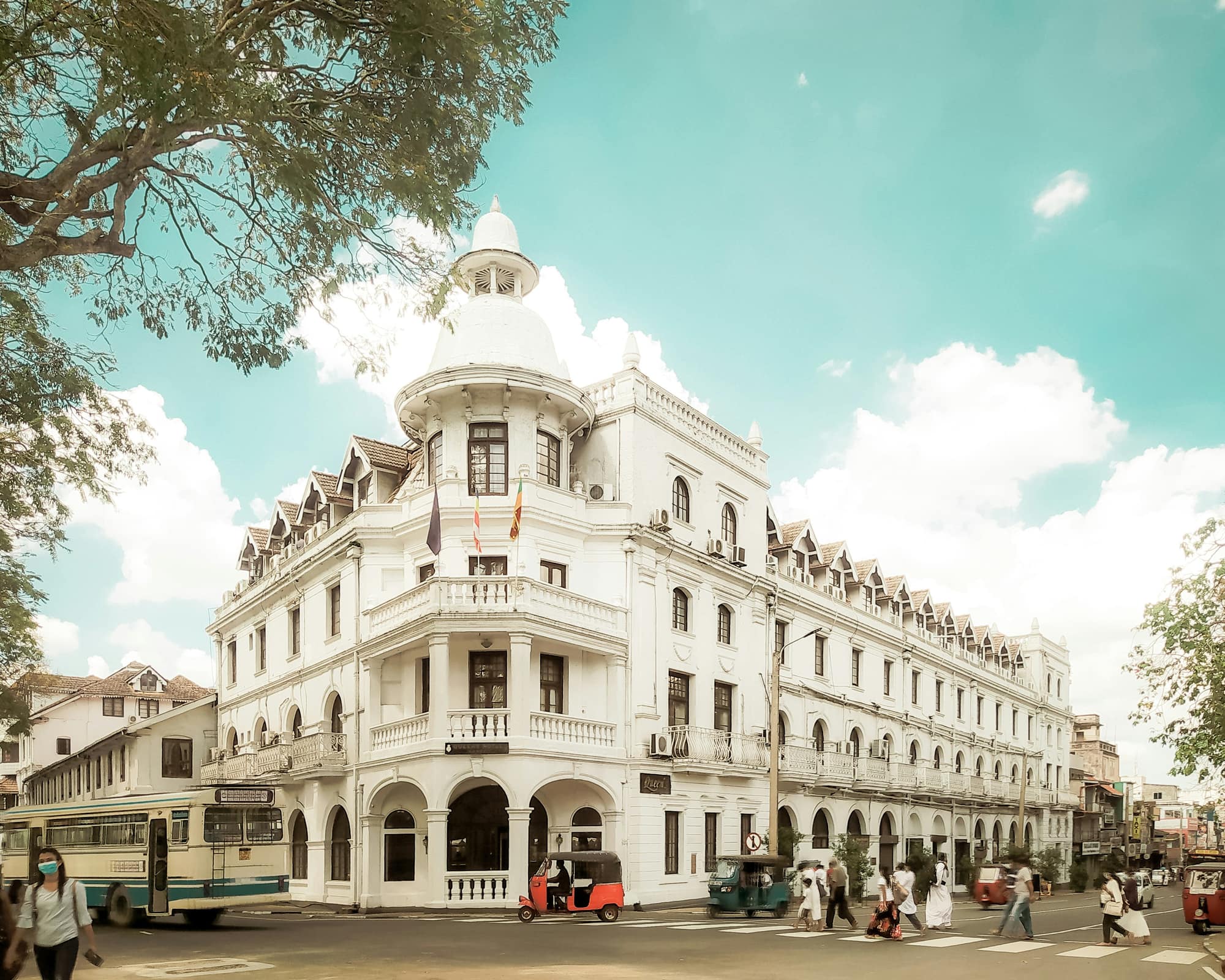
Kandy මහනුවර
The misty highland kingdom and Sri Lanka’s spiritual core
Cradled in dense, mist-wrapped hills surrounding a tranquil lake, Kandy was the last independent royal stronghold to resist colonial rule. Its sacred centrepiece is the Temple of the Sacred Tooth Relic (Sri Dalada Maligawa), which houses the island’s most venerated Buddhist relic. Twice daily, rhythmic drumming fills the air as the gilded inner shrine opens for worshipers carrying heaps of jasmine and frangipani.
Good to know
Come for the evening ceremony and expect to queue. Spice gardens and gem shops near here almost always pay guides a commission. I take none, so I will not take you to one unless you ask.
Tea highlands
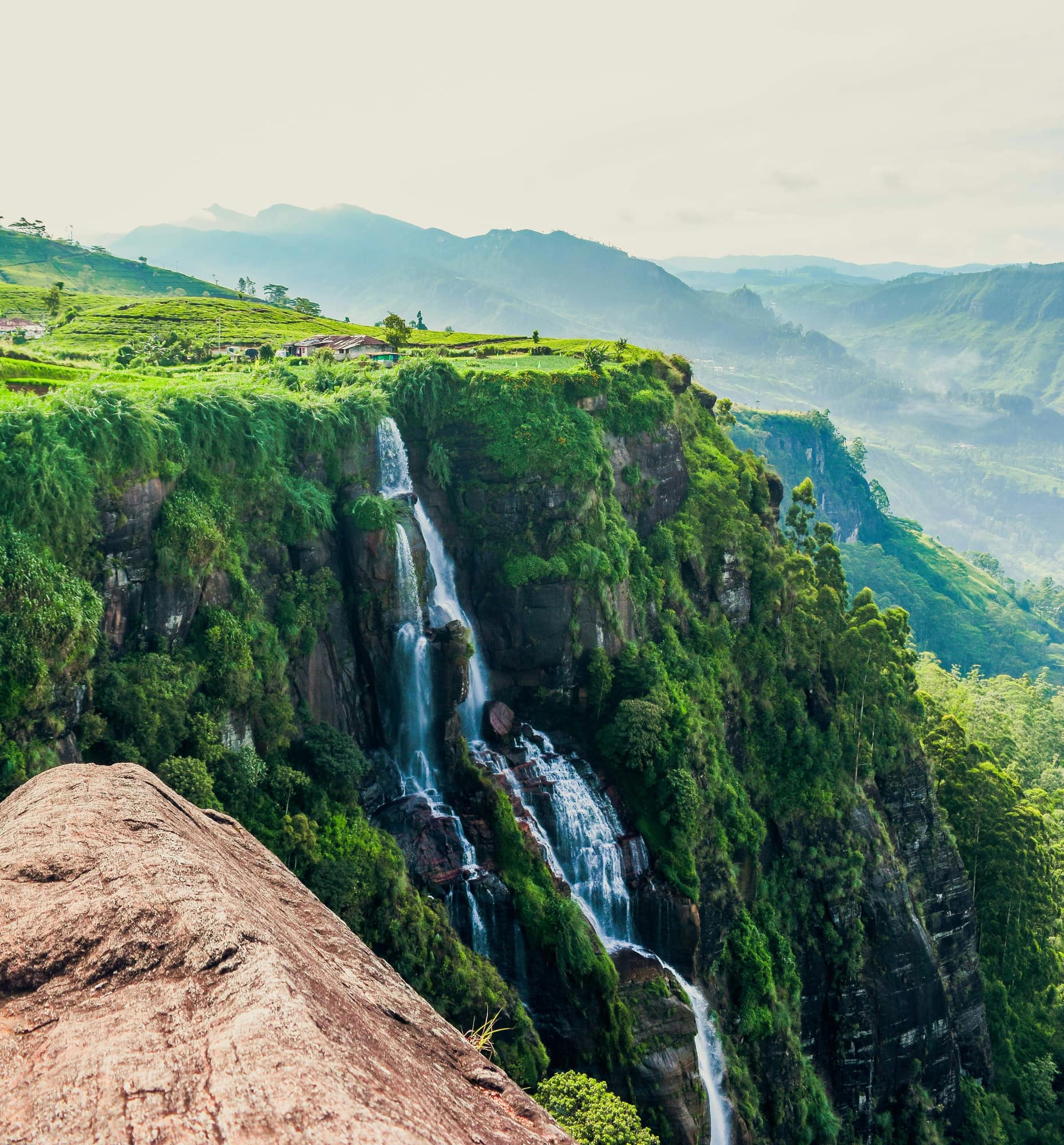
Nuwara Eliya නුවර එළිය
Emerald estate valleys and cool mountain mist
Perched in Sri Lanka’s highest country, Nuwara Eliya feels a world away from the tropical coast. Rolling hills are carpeted in manicured emerald tea bushes that stretch into the horizon, broken only by misty valleys, cascading waterfalls, and pickers expertly harvesting the top leaves. Visiting the historic tea factories lets you trace the entire journey from fresh leaf to world-famous Ceylon black tea.
Good to know
Bring something warm — nights drop to about 10°C and few rooms are heated. The pickers are at work, so ask before you photograph anyone.
Tea highlands
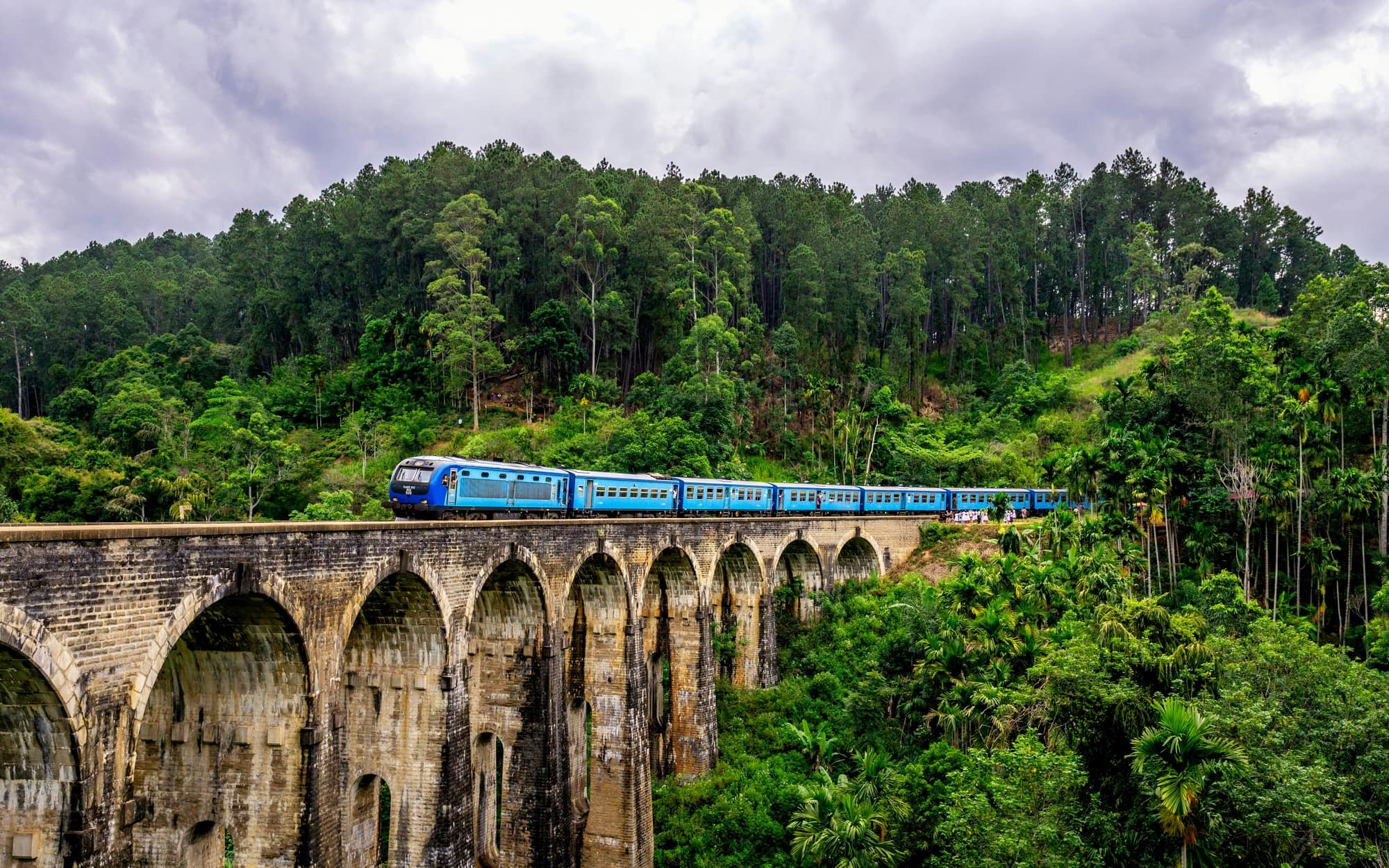
Ella ඇල්ල
A lush mountain pass where wild jungle meets rail history
Ella is a laid-back mountain village carved through a dramatic gap in the central highlands, surrounded by cloud forests and tea terraces. Its defining landmark is the Nine Arch Bridge, an engineering marvel hidden deep in the jungle where diesel trains rumble over soaring stone arches. Easy hiking trails wind up to Little Adam’s Peak and remote waterfall pools, offering sweeping views across the southern plains.
Good to know
The train ride through the tea country into Ella is the best part of the day. Seats sell out weeks ahead, so it is worth deciding early.
Dry south-east
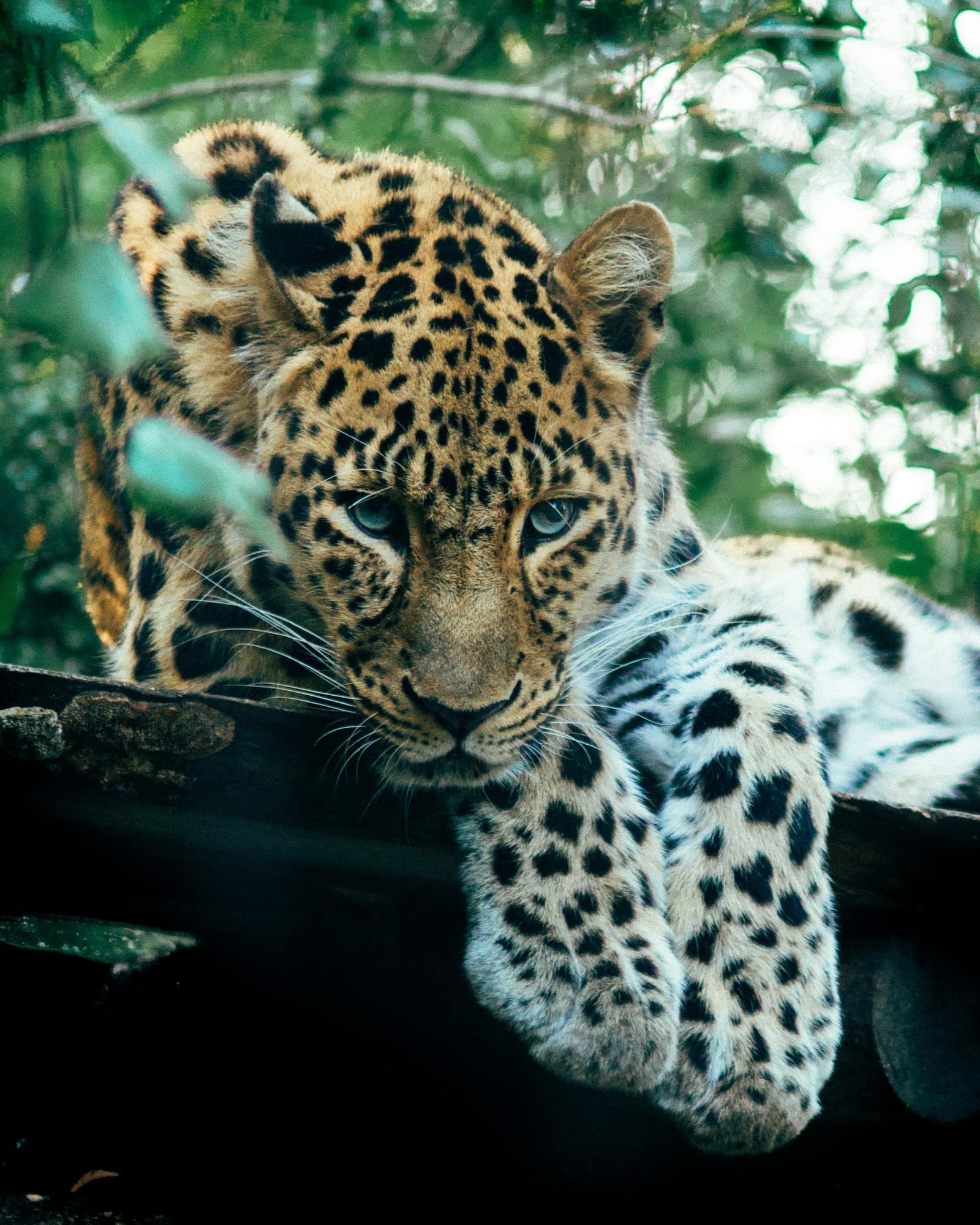
Yala යාල
Coastal wilderness with one of the world’s densest leopard habitats
Where untamed scrub forest meets the Indian Ocean, Yala National Park is Sri Lanka’s premier safari territory. Its mosaic of dry thorn plains, rocky outcrops, and brackish lagoons supports one of the highest leopard densities on the planet, alongside herds of wild elephants, sloth bears, marsh crocodiles, and rare migratory birds.
Good to know
February to July is the best window, early morning or late afternoon. I will not promise you a leopard, because the park does not promise me one.
South coast
Galle ගාල්ල
A living 17th-century ocean fortress
Jutting out into the ocean on a rocky peninsula, Galle Fort is a remarkably preserved UNESCO World Heritage site built by the Portuguese and reinforced by the Dutch in the 1600s. Behind its weathered sea ramparts lies a vibrant, walkable maze of cobblestone lanes, red-tiled colonial villas, boutique cafés, and the iconic white lighthouse keeping watch over the breakers.
Good to know
Late afternoon is the time — the light is kind and the whole town walks the wall. People live and work here, so it is a town first and a sight second.
South coast
Mirissa මිරිස්ස
A crescent bay where coconut palms meet deep-sea whale migrations
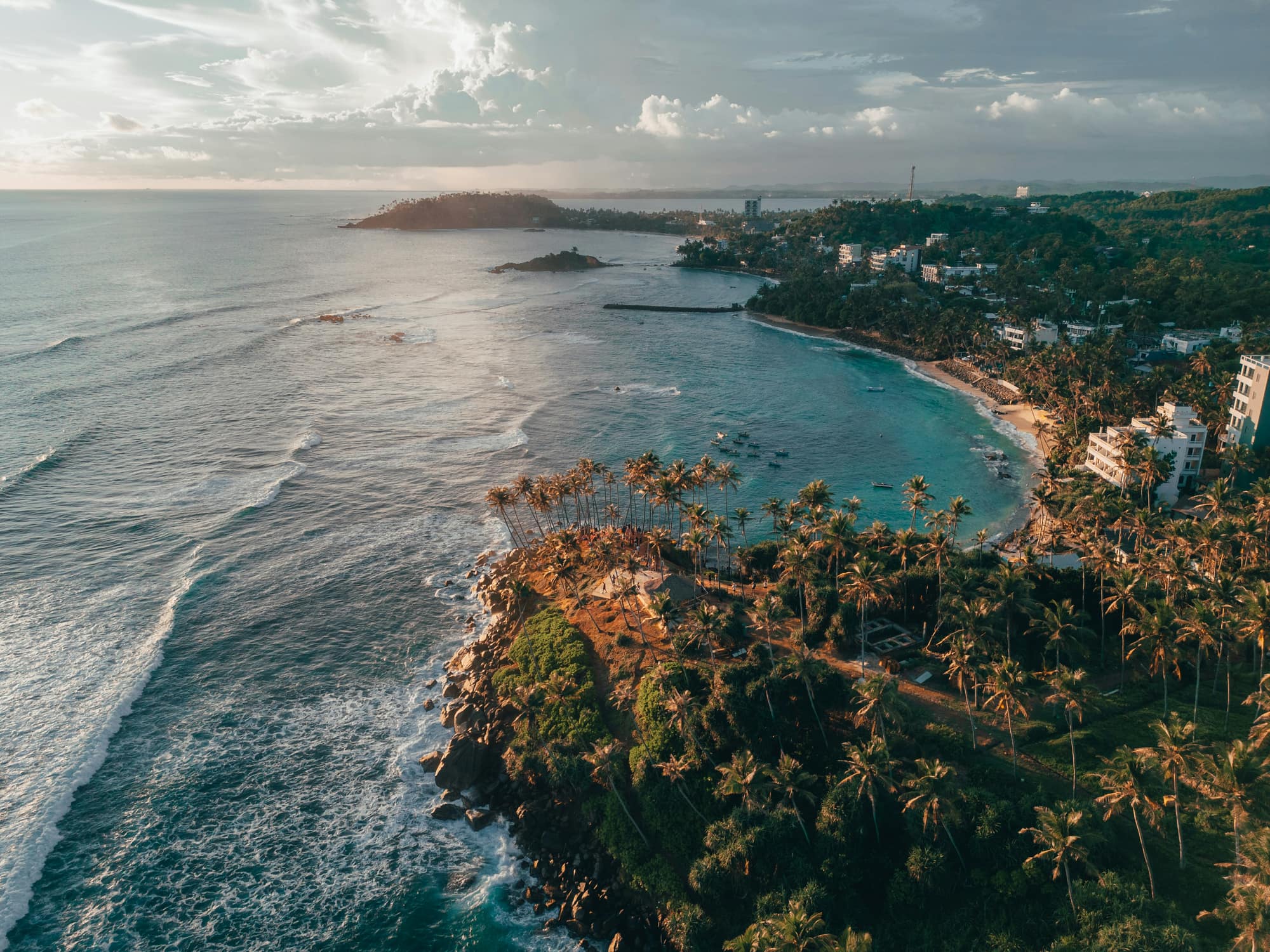
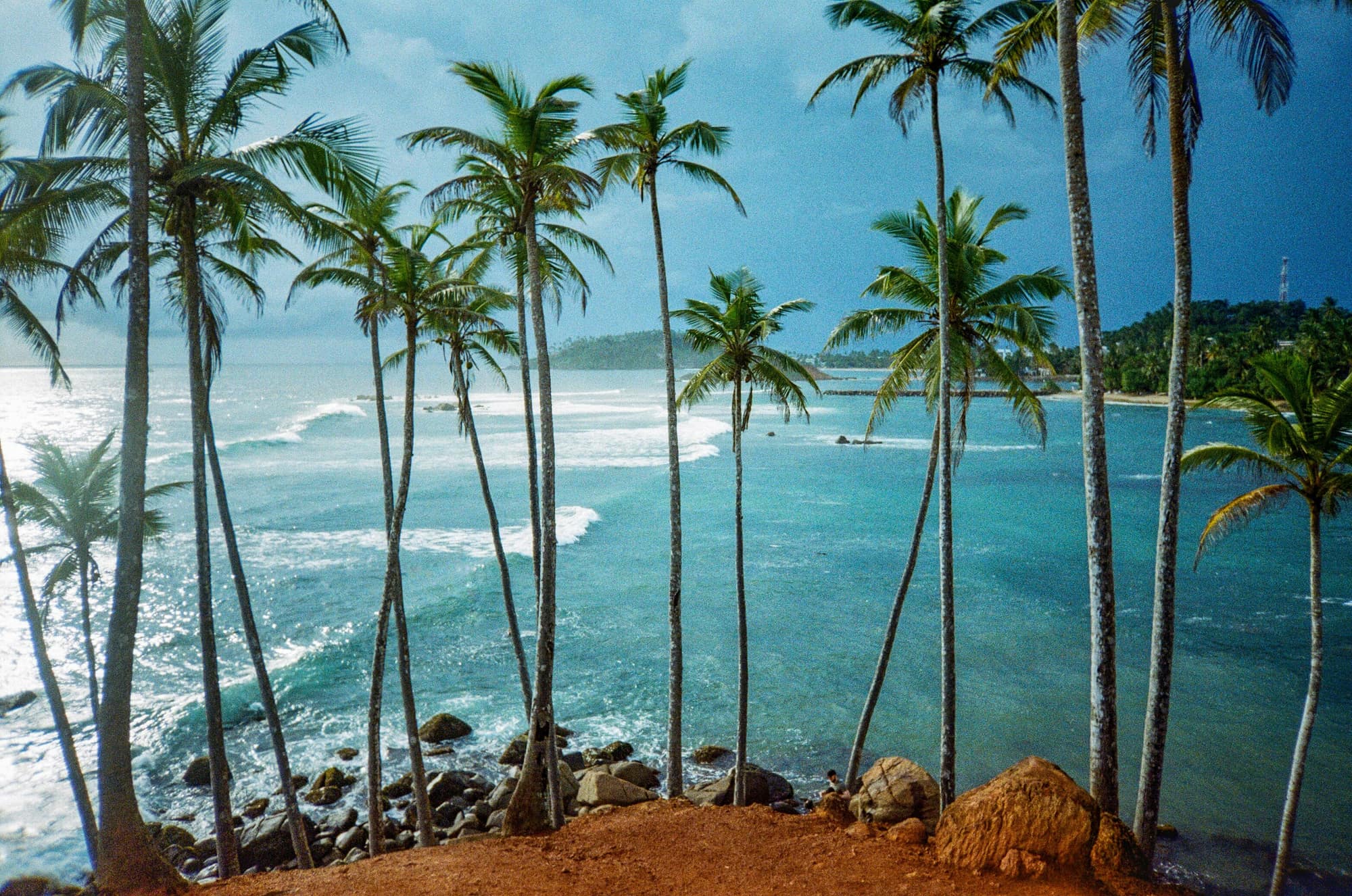
Mirissa is a classic tropical bay framed by sweeping coconut groves, golden sand, and turquoise surf. Just a few miles off its coast, the continental shelf drops rapidly into deep water, creating a fertile feeding ground for blue whales, sperm whales, and pods of spinner dolphins. By night, the beach transforms as candlelit tables and fresh seafood grills line the tide line.
Good to know
Whale boats run from November to April and the sea can be rough — take a tablet if you get seasick. Some boats chase the animals to get close. I use ones that keep their distance, and that means you may see less.